How to Add a Gifting API to a Gaming Platform
By the RealGifts Editorial Team,
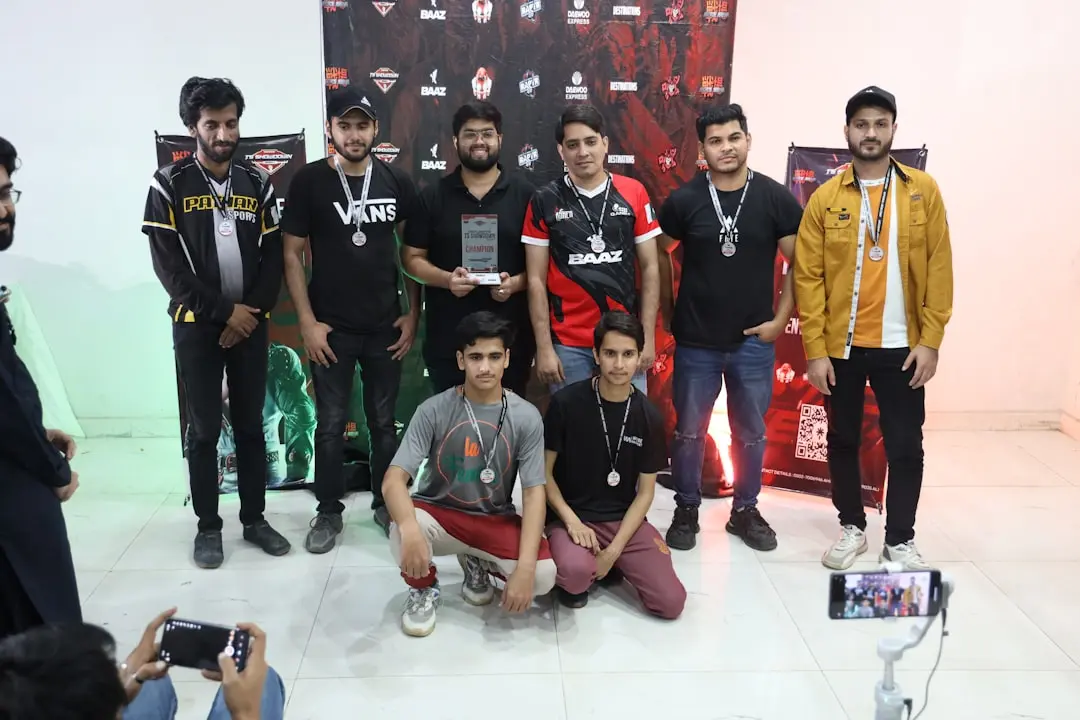
Gaming platforms have always had a gifting economy. Virtual currency, digital items, battle pass gifts: the mechanic is established and users understand it. What most gaming platforms do not have is a gifting API that handles real, physical goods, at the fidelity and speed gaming audiences actually expect.
This guide is for developers and product managers at gaming platforms evaluating what it takes to add physical goods gifting. It covers why gaming has two structurally distinct gifting modes (and why that matters for your integration design), the three decisions to make before your engineering team starts building, how the RealGifts API handles gaming-specific requirements, and the honest build-vs-buy calculation for platforms considering doing this themselves.
Why gifting works differently in gaming
Most gifting integrations are built for a single, simple flow: user A selects a gift, pays, user B receives it. That model works in dating apps, social platforms, and HR tools. In gaming, the same flow breaks down almost immediately.
Gaming platforms have two distinct gifting modes, and they need to be treated as different problems.
The first is fan-to-streamer gifting during live events. This is social, real-time, and public. A fan sends a gift during a live broadcast; the gift arrival is part of the experience, something the streamer reacts to and the audience witnesses. The value is performative as well as relational. Speed matters: a gift that takes ten days to arrive with no messaging integration around the send feels disconnected from the live moment that motivated it. The flow needs to be fast to trigger, easy to execute mid-session, and tied into the platform's notification and social layer.
The second is tournament prize fulfillment. This is structured, batch-oriented, and consequence-heavy. A tournament ends. There are winners. Those winners expect their prizes to arrive. The fulfillment needs to be coordinated (not a hundred individual one-off orders), trackable, and reliable. Getting prize fulfillment wrong at scale is a community relations problem, not just a logistics problem.
Virtual goods cannot do either of these things at the level gaming audiences expect. A digital badge is fine for participation recognition. For a fan-to-creator gifting moment or a tournament prize, real goods have a different weight, and that difference is what can create the engagement and retention dynamic operators are looking for.
Three decisions to make before you start integration
Before your engineering team writes any code, align on these three decisions. The choices you make here determine the scope and timeline of the project.
1. API vs. embed (and which mode drives the decision)
The same two paths that apply to any gifting integration apply here, but in gaming the choice between them is often driven by which gifting mode you are building for first.
REST API (API-native path): Your team builds the front-end experience from scratch. You call the API to retrieve the catalog, create gift orders, and handle fulfillment webhooks. This is the right path for fan-to-streamer gifting, where the interaction needs to feel native to your platform's UI, happen without breaking the live session context, and integrate directly with your stream overlay or social notification layer. API-native also gives you full control over how tournament prize selection and fulfillment states are surfaced to winners.
iFrame or JavaScript embed: You drop a hosted storefront into your platform. The provider handles the UI; you configure the branding and catalog. This is the lower-effort path and works well for platforms that want to validate gifting behavior before investing in a native experience. For fan gifting tied to live events, the embed has more UX friction than the API-native path, which is worth factoring into your decision if real-time feel is a priority.
Gaming platforms building for live events often choose the API path from the start, because the user experience requirements are tighter. Platforms that are starting with tournament prizes often use the embed to get something live quickly, then invest in API-native for the next iteration.
2. Catalog: gaming audiences are not a general merchandise audience
Catalog fit matters more in gaming than in most other verticals. Gaming audiences have specific preferences: high-quality peripherals (headsets, controllers, mechanical keyboards), food and snack categories (delivery, specialty snacks, energy drink subscriptions), and gaming-adjacent gear. A general merchandise catalog typically does not perform as well with this audience as one that has been configured for it.
The decision here is not whether to curate, but how much. A light curation pass (weight the catalog toward gaming-relevant categories, suppress irrelevant items) is low effort and produces a meaningfully more contextual experience. A fully custom catalog (handpicked items from specific brands, coordinated with tournament sponsors) requires ongoing catalog management but produces a premium experience for high-value gaming events.
For most platforms starting out, a light curation pass via the catalog API's category filters is the right first step. It requires no new inventory relationships and can be adjusted over time as you learn what your users actually order.
3. Delivery timing: batch vs. real-time, and why it matters for UX
Fan gifting and tournament prizes have opposite delivery expectations, and your integration needs to handle both.
For fan gifting, delivery-speed messaging is a UX differentiator. A user who sends a real physical gift during a live stream wants to know it was received, when it ships, and when it arrives. Fast delivery options with visible tracking in the platform experience make the gifting loop feel tight and satisfying. The fulfillment webhook gives you everything you need to surface this; the design question is how you surface it within your stream or social UI.
For tournament prizes, the expectation is different. Winners understand that prize fulfillment is coordinated and happens after the event closes, not in real-time. What they expect is reliability and communication. Batch fulfillment (grouping all prize orders from a tournament into a single coordinated payout) keeps logistics manageable. The key UX requirements are clear status communication from the moment of win announcement through delivery, and accurate delivery estimates.
These two delivery contexts require different configuration choices on the webhook and notification side, which is covered in the architecture section below.
How the RealGifts API handles gaming use cases
RealGifts provides a REST API and JavaScript embed SDK with specific support for the gaming integration patterns described above. Here is the architecture at the level needed to scope the project and brief your team. The full reference is at /developers.
Catalog endpoint with category filtering. A single API call returns the available catalog. The category filter parameter lets you scope returns to gaming-relevant categories (peripherals, food, gear) without building a custom catalog management layer. The catalog is maintained on the provider side; your integration always reflects current availability.
Gift flow with platform identifier and address privacy. In gaming, recipient privacy is not optional. Users are pseudonymous by default, and a gifting flow that requires a recipient to share their real name and address with the sender is a non-starter. The RealGifts flow uses platform identifiers only at the send step. The recipient receives a claim link within your platform and enters their shipping address directly to the fulfillment system, without that information being shared with the sender. This applies to both fan gifting and tournament prize fulfillment.
Fulfillment webhook: per-order status events. The webhook fires on each order status change: placement, claim, shipment, and delivery. For fan gifting, your integration uses these events to update the sender's view and surface delivery tracking in your platform UI. For tournament prizes, your integration can group these events by the order identifiers you assign at creation, giving you a coordinated status view per event rather than unorganized order noise across a large winner pool. The full webhook schema and event types are documented at /developers.
Co-branded notifications. The recipient claim flow, shipping confirmation, and delivery notification can be configured with your platform name and logo. For tournament prizes in particular, the prize claim experience is often the first direct communication a winner receives from your platform after their win, and it should feel like your brand, not a third-party logistics system.
The API uses bearer token authentication. Sandbox access is included from day one of the free trial and lets you run the full gift flow end to end before committing to production. Documentation, schemas, and rate limits are at /developers.
Building in-house vs. using RealGifts infrastructure
This is where the gaming use case diverges most sharply from other verticals. The build-vs-buy calculation for physical goods gifting in gaming is not the same as for a generic gift shop.
Sourcing gaming-relevant inventory. A physical gift shop that serves gaming audiences well needs gaming-relevant products: specific peripheral brands, food delivery partnerships, gear categories. Sourcing these is not the same as standing up a general merchandise catalog. It requires vendor relationships with category-specific suppliers, minimum order commitments, and ongoing availability management. For a platform team whose core competency is game infrastructure or streaming technology, this is a materially different operational discipline.
Managing inventory for prize pools. Tournament prize pools have a specific fulfillment problem: you need to know, before the tournament ends, that you can fulfill the prizes you have announced. That means pre-reserving or spot-purchasing inventory tied to projected winner counts, which requires either an inventory buffer or a vendor relationship that allows rapid fulfillment on a variable prize pool. Platforms that have announced prizes and failed to fulfill them face a community backlash that is disproportionate to the logistics failure. This is a real operational risk, not a theoretical one.
Coordinating batch prize shipments. After a tournament, prize shipment is a coordination and communication problem, not just a logistics problem. Winners need status updates. Exceptions (wrong addresses, failed deliveries, returns) need a support workflow. Your platform becomes the customer service surface for every order that goes wrong. For a one-time event with a small prize pool, this is manageable. At scale, it requires dedicated operational infrastructure.
What using RealGifts looks like instead. Your engineering team integrates the API or embed, targeting the real-time or batch fulfillment mode as appropriate for your use case. RealGifts operates the catalog (including gaming-relevant categories), processes payments, manages fulfillment logistics, handles returns and exceptions, and runs order support. Your team configures the experience and earns a commission on transactions. The gaming-relevant catalog is available immediately; no vendor sourcing work is required on your side.
For most gaming platforms, the build-vs-buy math is straightforward. Physical goods commerce at the category and operational complexity required for gaming audiences is a full operational discipline on its own. Integrating a purpose-built gifting API keeps your team focused on game infrastructure, live events, and community experience, which is where your differentiation actually lives.
Next steps
If you are evaluating the integration for a gaming platform, the right next step depends on which gifting mode you are building for first.
For fan-to-streamer and live event gifting, the API-native path is the better fit. Start with the sandbox to validate the real-time webhook flow and gift claim experience before scoping the front-end build.
For tournament prize fulfillment, evaluate the catalog category filters for gaming relevance and the webhook event schema for how you will group and track prize orders per event. The embed can get you to a working prize shop quickly if the timeline requires it.
Both starting points are documented at /developers. For the business and revenue share context, /solutions/gaming covers how RealGifts is configured for gaming platforms, including catalog defaults and commission structure.
Add real-goods gifting to your gaming platform.
Fan gifting and tournament prize fulfillment on one API. Start the 14-day free trial and run the full gift flow in the sandbox before you commit a sprint.