Gifting API for Fintech Apps: Embed Real Rewards Into Cashback, Loyalty, and Onboarding Flows
By the RealGifts Editorial Team,
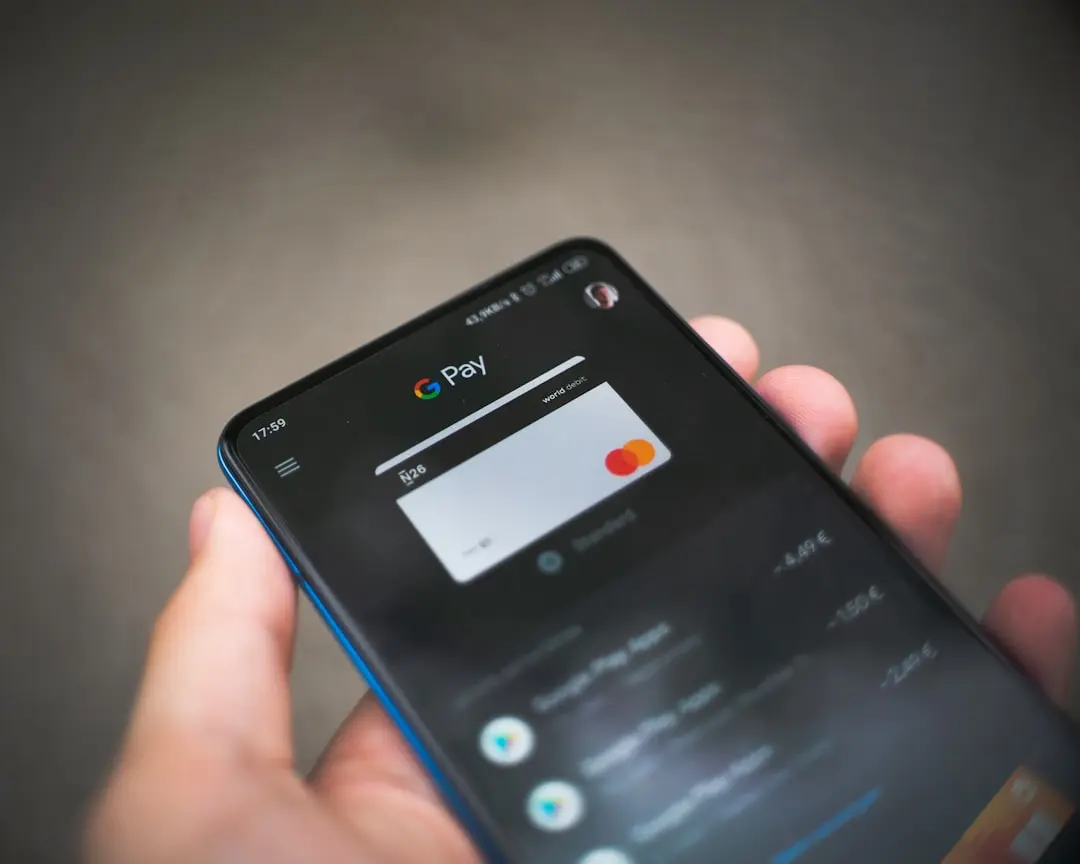
A gifting API for fintech is the integration layer that turns banking events (a spend threshold crossed, an account fully activated, a savings goal reached, a referral converted) into real physical gifts and gift cards, delivered automatically and branded as your app. Fintech products already run on event streams: every transaction, balance change, and account state transition is a ledger entry or a webhook somewhere in your stack. A gifting API connects those events to fulfillment, so the rewards program runs on the same backend logic as the rest of your product instead of on a marketing tool and a CSV upload.
This guide is for developers and product teams at fintech apps and neobanks who are evaluating real-goods gifting as a layer on cashback, onboarding, and referral programs. It covers why financial rewards respond to physical gifts, the four integration patterns that map to fintech lifecycles, how to size gifts against financial behavior, and where the build-vs.-buy calculation lands for an engineering-first team.
Why Fintech Apps Send Real Gifts
Fintech reward programs default to cash and points because both are easy to ledger. Cash back is mathematically generous and emotionally invisible: a 1 percent deposit lands in the balance, is absorbed into the next coffee purchase, and is never thought about again. Points have the opposite problem: they accumulate as an abstraction the user has to remember to spend, and most users mentally discount them long before redemption. The argument for tangible rewards over balances is the same one that applies to social products in real-goods gifting versus virtual currency: a physical reward is felt once at full strength, while an account credit is barely felt at all.
A real gift triggered by a financial milestone also changes what the reward says. The user who hits a savings goal and receives an actual package has a story about your app that a confetti screen does not produce. It arrives at the door, it is visible to other people, and because the integration is white-label, it arrives as a gesture from your brand, not from a third-party rewards vendor.
The second reason fintech teams specifically reach for an API: fintech apps are engineering-first products. The moments worth rewarding already exist as events in your stack (a card transaction clearing, a KYC flow completing, a balance crossing a threshold, a referral converting). A program where a human queues sends in a dashboard is disconnected from that stream and limited by attention. A gifting API lets your backend fire the gift the moment the event happens, with the same reliability expectations as the rest of your infrastructure.
Four Integration Patterns for Fintech
The four patterns below cover most fintech gifting programs. All of them share one architectural shape: your system detects an event, your backend calls the RealGifts API with a recipient and a gift selection (a specific item, or a budget range the recipient chooses within), and RealGifts handles the order, fulfillment, shipping, and recipient support, reporting status back over webhooks. The recipient enters their shipping address in the claim flow, so your app never collects or stores one. It is the financial-services case of the broader pattern covered in gift automation for platforms.
Reward and referral incentive structures at financial institutions can carry regulatory and tax-reporting implications; the design of your program is your compliance team's call. RealGifts handles only the fulfillment side.
Pattern 1: Cashback as a Gift
Instead of depositing cash back to the account, the program converts a spend threshold into a real reward: cross the quarterly spend tier and choose a gift from a curated range. The trigger is the same aggregation your cashback engine already computes; only the payout changes, from a ledger credit to a gift order.
Why operators do it: a cash deposit is priced exactly and forgotten instantly, while a chosen gift gives the program a moment the user remembers and a brand-curated feel the deposit cannot carry. It also gives the finance team a fixed, budgetable unit cost per redemption instead of an open-ended percentage liability, which makes reward tiers easier to model.
Pattern 2: The Account Activation Welcome Gift
A new account that completes activation (identity verified, funded, first transaction made) is the cohort every neobank growth team optimizes for. A welcome gift triggered on the final activation event does what a small account credit does not: it puts a physical artifact of the relationship in the customer's hands during week one. The trigger is deterministic and already instrumented, because activation is the conversion event your funnel reports on.
Gate the gift on full activation rather than signup. Tying it to a funded, verified account keeps the incentive aligned with real customers and keeps program spend pointed at accounts that matter.
Pattern 3: Savings Milestone Rewards
Savings products run on goals: an emergency fund target, a round-up balance, a deposit streak. When a user crosses the goal they set for themselves, a physical reward marks the achievement in a way an in-app animation does not, and it arrives without the user spending the money they just saved. The event is a balance check your backend already performs.
Sizing matters more here than in any other pattern: the reward should celebrate the milestone without working against the behavior. A modest, well-chosen gift for a completed savings goal reinforces saving; an extravagant one undercuts the message.
Pattern 4: Referral Rewards That Arrive in a Box
Referral programs usually pay both sides in account credit, and account credit is exactly as memorable as it sounds. Shifting the referrer's reward to a real gift changes the loop: when the referred user completes account opening, the referrer receives a package, not a line item. The trigger is the referral-conversion event your program already tracks, and the gift gives the referrer something tangible to mention to the next prospective referral.
Catalog and Gift Sizing for Financial Rewards
Financial rewards have a tighter sizing logic than social gifting, because every reward sits against a measurable behavior: spend, deposits, referrals. The unit cost per gift has to clear the program's economics, which argues for tiering by trigger. Recurring triggers (monthly streaks, lower cashback tiers) take small rewards; one-time conversion events (activation, referral) sit mid-range; high-threshold spend tiers and major savings goals justify the most.
Catalog scope is where the API choice shows. Gift card APIs cover one reward shape, and the trade-offs are covered in gifting API versus gift card API; the short version is that a card-only catalog turns every reward back into a balance, which is the problem you were solving. The RealGifts catalog spans 1M+ gifts across hundreds of brands, physical goods and gift cards both, so one integration covers the small streak reward and the premium tier prize. Operators configure which categories their program exposes, and recipient-choice claim flows let the user pick within a budget you set, which solves taste at scale.
Two details matter for financial brands specifically. First, white-label delivery: the claim flow carries your brand, so the reward reads as your program rather than a third-party voucher service. Second, address handling: the recipient enters their shipping address in the claim flow, so your app does not need to collect, validate, or store one.
Build vs. Buy for Fintech Teams
The trigger side of every pattern above belongs in your codebase, and it is small: an event consumer, an API call, a webhook handler. Fintech teams ship harder integrations every quarter. The commerce side is the part with no build case: catalog sourcing and vendor management, inventory, picking and packing, shipping, returns, and recipient support. None of it differentiates a financial product, and all of it scales linearly with program size.
There is also a vendor-surface argument fintech teams will recognize: gifting touches recipient contact details and physical delivery, two things better held behind one accountable vendor with a clean API boundary than spread across an in-house stack of suppliers. RealGifts draws the line at the API: you own the events and the program logic; RealGifts owns the commerce, behind a REST API with webhooks and SDKs for JS, Node.js, PHP, Python, Ruby, Perl, iOS, and Android.
Where to Start
Pick the pattern with the cleanest existing event. For most fintech teams that is referral conversion or account activation: the event is already instrumented, the cohort is well-defined, and the program cost is easy to model. Wire the event to the orders endpoint in sandbox, run the claim flow end to end, and feed the webhook statuses into your existing monitoring.
The developer docs cover the orders API, the catalog API, and the webhook events; sandbox access is included from day one of the trial. The free trial runs 14 days with full API access and no credit card required, and the Starter plan is $199 per month after that. One sprint is enough to have a referral gift trigger live in sandbox.
Wire a gift trigger to your event stream this sprint.
Connect cashback thresholds, activation events, and referral conversions to a catalog of over one million real gifts. Start the 14-day free trial and run the full flow in sandbox today.